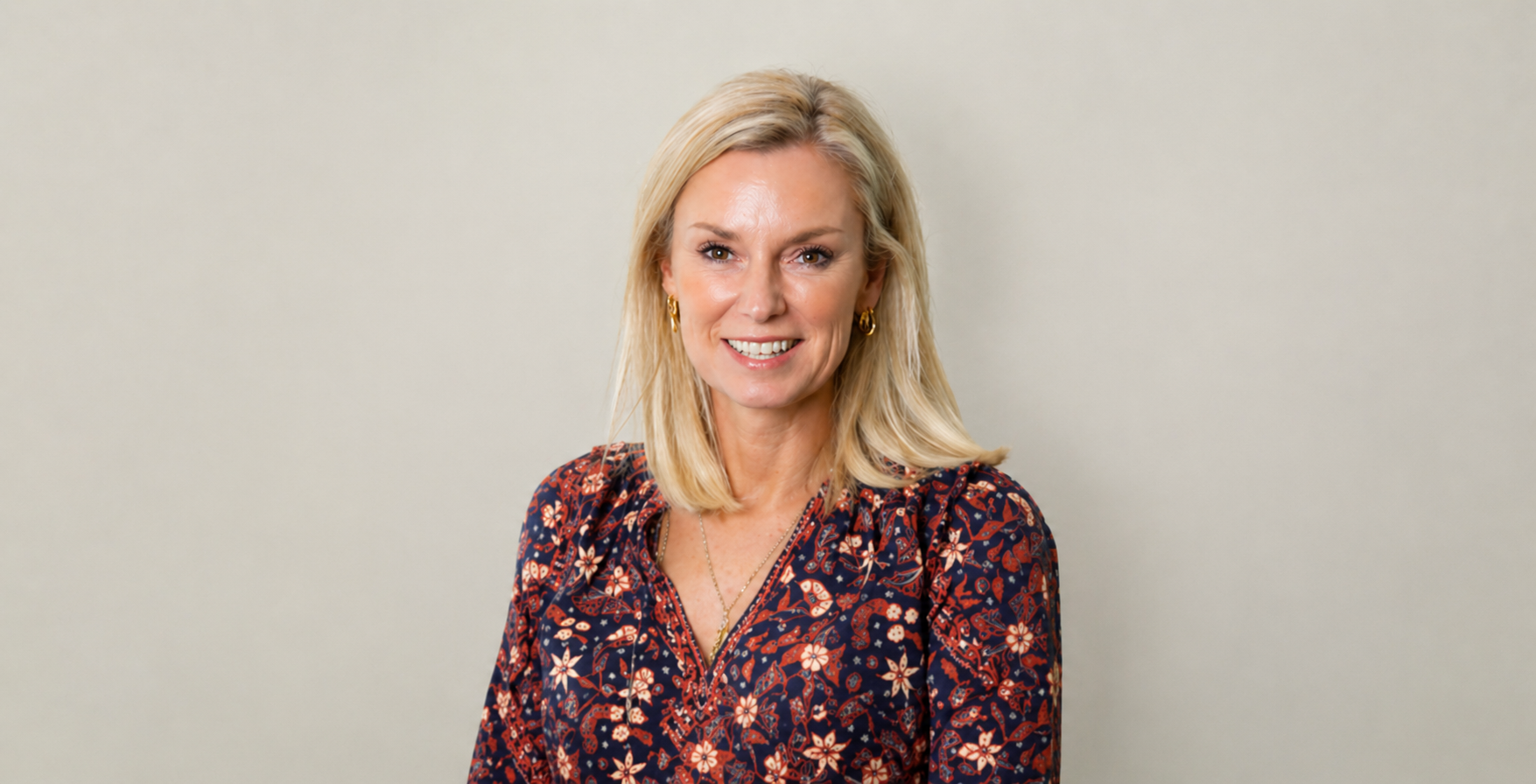
Interview with Anke, Clinical Operations Director at Novellas Healthcare
Clinical trials in Europe are often described as harmonized. On paper, that sounds reassuring. In reality, anyone who has managed a study across different countries knows that European clinical research comes with its own complexity, nuance and, sometimes, beautifully coordinated chaos.
Regulatory expectations differ. Ethics Committee processes vary. Site realities are not the same from one country to another. Recruitment assumptions can shift quickly once they meet real-life patient pathways.
To better understand what really happens behind the scenes of a clinical trial, we sat down with Anke, Clinical Operations Director at Novellas Healthcare, who brings more than 25 years of clinical project management experience across multiple study phases. Her expertise lies in transforming complex clinical plans into well-executed trials through clear communication, proactive risk management and strong team alignment.
Anke, can you briefly introduce yourself and your clinical background?
I have been working in clinical research for more than 25 years, mainly as a Clinical Project Manager, leading studies across different phases and therapeutic areas.
Over the years, I have worked with many cross-functional teams, sponsors, sites and vendors. My role has always been to bring structure to complexity. A clinical trial involves many moving parts, and my focus is to make sure the right people are aligned, the risks are anticipated, and the study remains on track.
What still motivates me after all these years is knowing that behind every milestone, every deliverable and every patient visit, there is the opportunity to contribute to better care and improved patient outcomes.
Clinical trials in Europe are often described as harmonized. Is that how it feels in practice?
Not always.
There is a European framework, of course, and harmonization has improved many aspects of clinical research. But sponsors should never assume that Europe works as one single country.
Each country can have different regulatory expectations, Ethics Committee requirements, site processes, contract timelines, budget structures and local operational realities.
That is often where sponsors underestimate the complexity. A study that looks straightforward at central level can become much more complicated once it reaches country and site level.
What is one of the most common mistakes sponsors make when planning a clinical trial in Europe?
One of the biggest mistakes is underestimating what happens before the first patient is enrolled.
Many people think that once a study is approved, it can immediately start. But approval does not automatically mean site activation.
There are still contracts to finalize, budgets to negotiate, insurance requirements to manage, translations to prepare, site teams to train, systems to set up and logistics to align.
If these steps are not anticipated early enough, timelines can quickly become unrealistic.
So what really happens behind the scenes before a clinical trial starts?
A lot more than people sometimes imagine.
Before the first patient can be enrolled, the study needs to be carefully prepared. This includes protocol and endpoint design, regulatory and Ethics Committee approvals, site selection, contract and budget negotiations, eCRF setup, IMP logistics, monitoring plans and site training.
A clinical trial does not simply “start”. It is planned, de-risked, aligned and prepared.
That preparation is what allows the study to run safely, compliantly and efficiently once recruitment begins.
Feasibility is often mentioned in clinical research. Why is it so important?
Feasibility is the foundation of every successful clinical trial.
But feasibility should never be treated as a checkbox exercise. It is not only about selecting the right sites. It is about understanding whether the protocol is realistic, whether the right patients can actually be reached, whether the timelines are achievable, and whether the operational setup makes sense in the real world.
Good feasibility also means involving local experts, sites and Key Opinion Leaders early enough. Their input can help ensure that endpoints are meaningful, visits are manageable and procedures are practical.
A strong feasibility assessment can save months later in the study.
What does a CRO actually handle beyond study execution?
A CRO does much more than “run the study”.
A strong CRO acts as an extension of the sponsor.
It provides regulatory, operational, clinical, data, quality and compliance support throughout the study lifecycle.
That can include input on study design, feasibility, site strategy, submissions, vendor coordination, monitoring, data review, inspection readiness and risk management.
The role of a CRO is to help sponsors navigate complexity. Ideally, we make complex trials look simple, timelines look achievable and sponsors feel supported throughout the process.
What do sponsors expect from a CRO today?
Sponsors expect much more than operational execution.
They want a partner who is proactive, flexible and strategically aligned with their goals. They expect transparency, clear communication, strong quality oversight, inspection readiness and the ability to adapt quickly when timelines, protocols or regulatory requirements change.
Clinical research has become more complex. Sponsors need CROs that can think with them, challenge assumptions when needed and offer tailored solutions instead of applying a one-size-fits-all model.
Today, a CRO needs to be both operationally strong and strategically smart.
How is clinical research evolving in Europe?
Clinical research in Europe is changing quickly.
We see more digital and hybrid trial models, remote monitoring, wearables and patient-friendly designs. There is also a stronger focus on patient-centricity, making participation easier and improving retention.
At the same time, studies are becoming more specialized. Advanced therapies, such as gene therapies, CAR-T treatments and complex biologics, require deep operational and regulatory expertise.
This means sponsors need partners who can keep pace with innovation while maintaining quality, compliance and practical execution.
What makes a mid-size CRO like Novellas Healthcare different from larger CROs?
Agility.
Large CROs bring structure, but they can also come with rigid processes, multiple layers of approval and slower decision-making.
At Novellas Healthcare, we are big enough to bring senior expertise and high-quality delivery, but small enough to adapt quickly. We can tailor our approach to the sponsor’s needs, move at the speed of the study and make decisions without unnecessary bureaucracy.
That flexibility matters, especially when timelines are tight or when a study requires a more hands-on, collaborative approach.
When should a sponsor start talking to a CRO?
As early as possible.
Ideally, the conversation should start well before first patient in. Even better, before key protocol, feasibility and site strategy decisions are finalized.
Early collaboration allows the CRO to provide input on protocol feasibility, site selection, operational risks, budget assumptions and regulatory strategy.
The earlier we are involved, the better we can help sponsors avoid delays, align expectations and prepare the study properly from the start.
Final question: what would you say to a sponsor planning a clinical study in Europe?
Do not wait until everything is already decided before involving your CRO.
Clinical trials are much easier to optimize before the plan is locked. Early discussion can help identify risks, improve feasibility, align country and site realities, and create a smoother path toward study start-up.
At Novellas Healthcare, we thrive in that early phase. We bring senior clinical expertise, flexibility and a practical understanding of what it takes to move from strategy to execution.
Because a successful clinical trial is not only about reaching first patient in.
It is about everything you do before that moment to make success possible.
Planning a clinical study in Europe?
Let’s discuss your study early, before timelines, budgets and recruitment assumptions start misbehaving.
Novellas Healthcare supports sponsors with agile CRO services, senior clinical expertise and hands-on operational support across Europe.
Novellas Healthcare achieves ISO 27001 certification for its digital healthcare solutions
Novellas Healthcare is now ISO 27001 certified, reinforcing the security and governance behind its digital solutions for Early Access Programs, Medica…
Behind every successful Clinical Trial, there is a lot you don’t see
Interview with Anke, Clinical Operations Director at Novellas Healthcare
Clinical trials in Europe are often described as harmonized. On paper, tha…
How to organize an HCP Advisory Board in Belgium: a strategic guide for pharma teams
Belgium is not just another European market.
With its multilingual structure, dense hospital network, strong academic centers and cross-border infl…